
The fascinating evolution of casinos A journey through time and culture in MoroSpin casino
The Origins of Gambling
The concept of gambling dates back to ancient civilizations, where evidence of dice games can be found as early as 3000 BC in Mesopotamia. Cultures across the globe, from the Romans to the Chinese, developed various forms of gaming as a means of entertainment and social interaction. These early games often served not just as pastimes but also as methods of predicting the future, demonstrating the complex relationship between chance and culture. The early roots of gambling laid the foundation for what would eventually evolve into modern casinos. If you’re interested in exploring the exciting world of online gaming, check out https://morospinau.com/, which showcases the latest trends in this evolving landscape.
As societies progressed, so did the forms of gaming. By the 17th century, dedicated gambling houses began to emerge in Europe, particularly in Italy and France. These establishments, known as casinos, were initially private clubs for the elite but soon became accessible to the general public. The introduction of standardized games like roulette and baccarat during this period highlighted the shift toward more structured forms of gambling, making it an integral part of the cultural fabric of European society.
The early 20th century witnessed significant developments in gambling, particularly with the establishment of Las Vegas as a gambling hub. The legalization of casino gaming in Nevada in 1931 marked a turning point, allowing for the growth of lavish resorts and entertainment venues that would transform the way people experienced gambling. This period not only popularized casino culture in America but also set the stage for the globalization of gaming, impacting cultures worldwide.
The Rise of Brick-and-Mortar Casinos
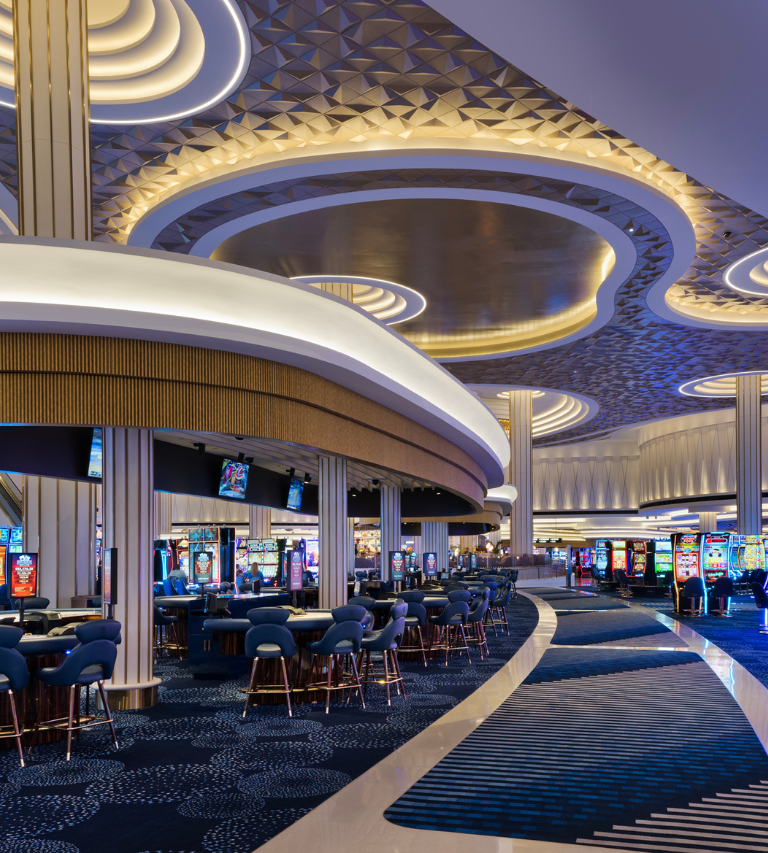
Brick-and-mortar casinos flourished throughout the latter half of the 20th century, offering a unique blend of entertainment, luxury, and social interaction. These establishments became synonymous with glitz and glamour, featuring elaborate designs, high-stakes games, and top-tier entertainment options. The glamorous atmosphere attracted millions of visitors, turning cities like Las Vegas and Monte Carlo into iconic travel destinations. The evolution of casino architecture also mirrored societal trends, with grandiose designs becoming a status symbol for the industry.
Furthermore, brick-and-mortar casinos played a pivotal role in local economies, generating significant revenue and employment opportunities. With the rise of gaming resorts, cities began to invest in infrastructure, enhancing tourism and related industries. This transformation redefined urban landscapes, as casinos became central attractions, often accompanied by hotels, restaurants, and entertainment venues. The social impact of these establishments extended beyond economic benefits, fostering a sense of community among gamblers and enthusiasts.
However, the brick-and-mortar model faced challenges as technology progressed and consumer preferences shifted. The late 20th and early 21st centuries saw an increasing demand for convenience and accessibility, prompting a reevaluation of traditional gambling methods. This shift necessitated adaptation within the industry, ultimately leading to the emergence of online casinos as a formidable alternative to physical gaming establishments.
The Digital Transformation of Gambling
The evolution of technology has significantly reshaped the gambling landscape, particularly with the advent of the internet. Online casinos emerged in the mid-1990s, offering players the opportunity to engage in games from the comfort of their homes. This convenience opened the door to a broader audience, attracting players who may have been deterred by the crowds and atmosphere of brick-and-mortar venues. The rise of online gaming platforms brought about a revolution in how people perceive and participate in gambling.
Modern online casinos, such as MoroSpin, have capitalized on this trend by providing an extensive selection of games, ranging from classic slots to live dealer experiences. The integration of advanced technology, including high-definition streaming and interactive features, has allowed players to enjoy the excitement of casino gaming without leaving their homes. Additionally, the convenience of mobile gaming has further expanded the reach of online casinos, appealing to a tech-savvy generation that prioritizes accessibility.
Security and fairness have been paramount in establishing trust within the online gambling community. Online casinos have implemented robust regulatory frameworks and responsible gaming measures to ensure a safe environment for players. By employing state-of-the-art encryption technologies and transparent gaming practices, online platforms have made significant strides in building confidence among users, setting them apart from their brick-and-mortar counterparts.
The Impact of Cultural Differences on Casino Design
Cultural influences play a vital role in shaping the design and atmosphere of casinos worldwide. Different regions have distinct preferences and values that dictate the gaming experience, from aesthetic choices to gameplay styles. For instance, Asian casinos often incorporate elements of Feng Shui and intricate designs to create a harmonious environment, reflecting cultural beliefs about fortune and prosperity. These considerations are pivotal in attracting and retaining players, as they contribute to a sense of familiarity and comfort.
In contrast, Western casinos may emphasize themes of luxury and exclusivity, with opulent decor and high-stakes gambling areas. The cultural significance of gambling varies widely; while some cultures view it as a form of entertainment, others approach it with caution or even stigma. Understanding these cultural nuances is essential for casino operators to create environments that resonate with their target audiences, ensuring an enjoyable and immersive experience.
The global nature of the gambling industry has fostered cross-cultural exchanges, inspiring innovative designs and concepts. Many modern casinos blend various cultural elements to create unique environments, appealing to a diverse clientele. This melding of styles enriches the overall gambling experience, allowing players to appreciate the beauty of different traditions while enjoying their favorite games.

The Experience at MoroSpin Casino
MoroSpin Casino exemplifies the evolution of gaming in the modern era, offering an impressive selection of over 6,000 games, including slots, live dealer experiences, and sports betting. As an online platform catering specifically to Australian players, MoroSpin combines the convenience of digital gaming with a commitment to transparency and user satisfaction. New members are welcomed with generous bonuses, including a significant Welcome Bonus and free spins, enhancing their initial gaming experience.
The site’s user-friendly interface ensures that players can easily navigate through the extensive game library, making it simple to find their favorite titles or explore new ones. With an emphasis on fast payments and around-the-clock support, MoroSpin is dedicated to providing a seamless gaming experience. This commitment to excellence reflects the broader trends in the online gaming industry, where player satisfaction is paramount.
Ultimately, MoroSpin Casino represents not just a gambling platform but a cultural phenomenon in the realm of online gaming. By embracing advancements in technology and adhering to a player-centric approach, MoroSpin captures the essence of modern gaming while paying homage to the rich history and evolution of casinos. For anyone looking to embark on an exciting gaming journey, MoroSpin provides the perfect gateway.